- Home
- >
- Products
- >
- Medical Parts Mold
- >
- Plastic Petri Dish Injection Mold | Focare Mould

Plastic Petri Dish Injection Mold | Focare Mould
Brand :Focare
Product origin :China
Delivery time :60 days
Supply capacity :500 molds per year
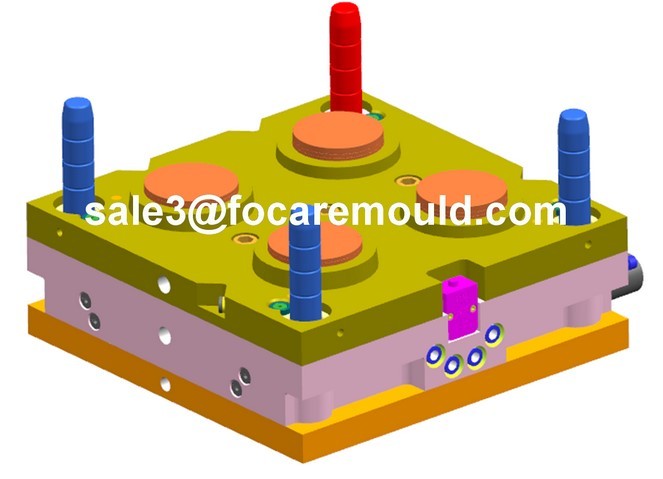
Focare Mould develops plastic Petri dish injection molds with coordinated review of thin-wall filling, base-and-cover fit, gate marks, cooling, ejection, and validation requirements.
Plastic Petri Dish Injection Mold
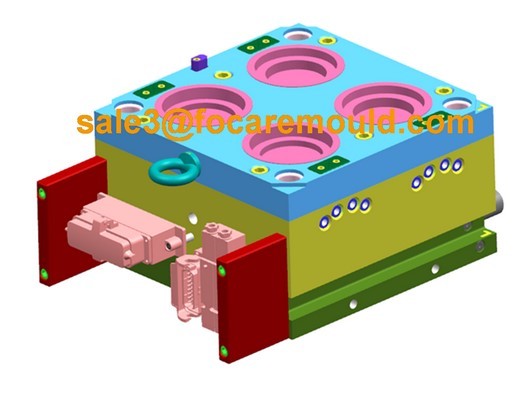
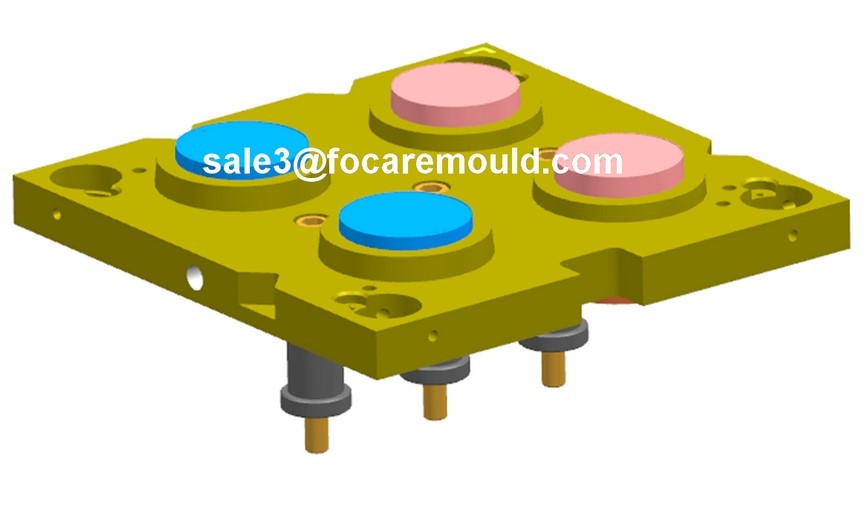
Focare Mould develops plastic Petri dish injection molds for laboratory dish bases and matching covers. Mold development requires coordinated review of thin-wall filling, lid-and-base fit, visible surfaces, gate marks, cooling, and ejection.
This page describes mold-engineering considerations only. Final product material, dimensional specification, cleanliness requirements, sterilization method, laboratory use, and regulatory validation must be defined and approved by the customer. No medical or sterile-performance claim is made without project documentation.
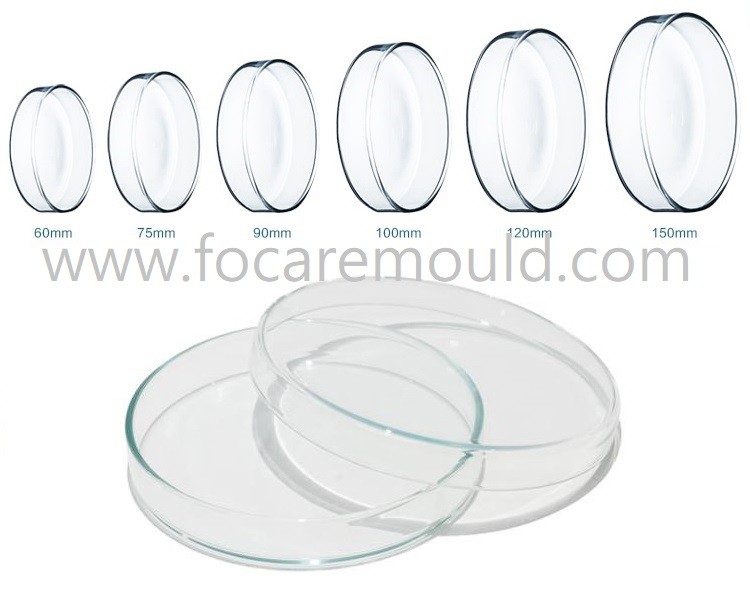
Petri Dish Base and Cover Fit
A Petri dish product normally includes a shallow dish base and a separate cover. The product drawing should define the relationship between both components, including the required clearance, contact areas, wall geometry, rim condition, and any stacking or handling features included in the design.
The mold concept should support repeatable molding of both components while respecting the approved product dimensions. Focare Mould requires the complete base and cover data because the two parts should not be reviewed as unrelated items.
Thin-Wall Filling and Gate Design
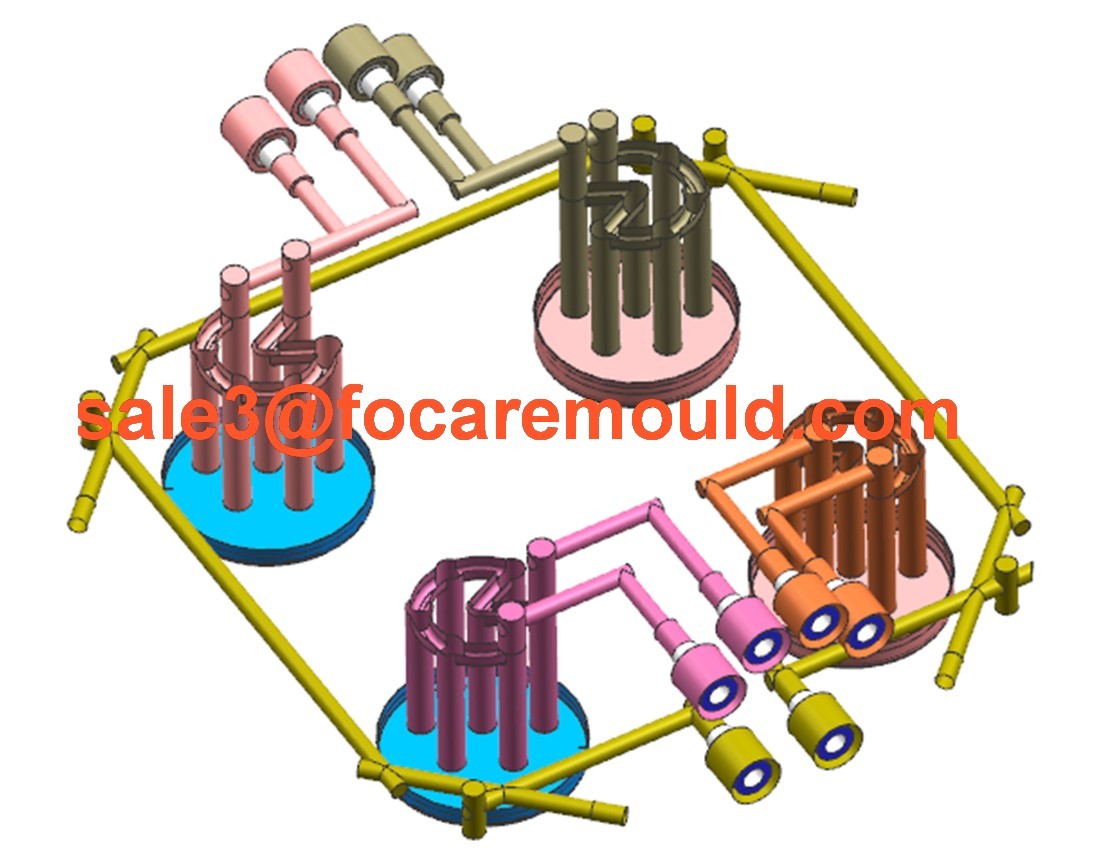
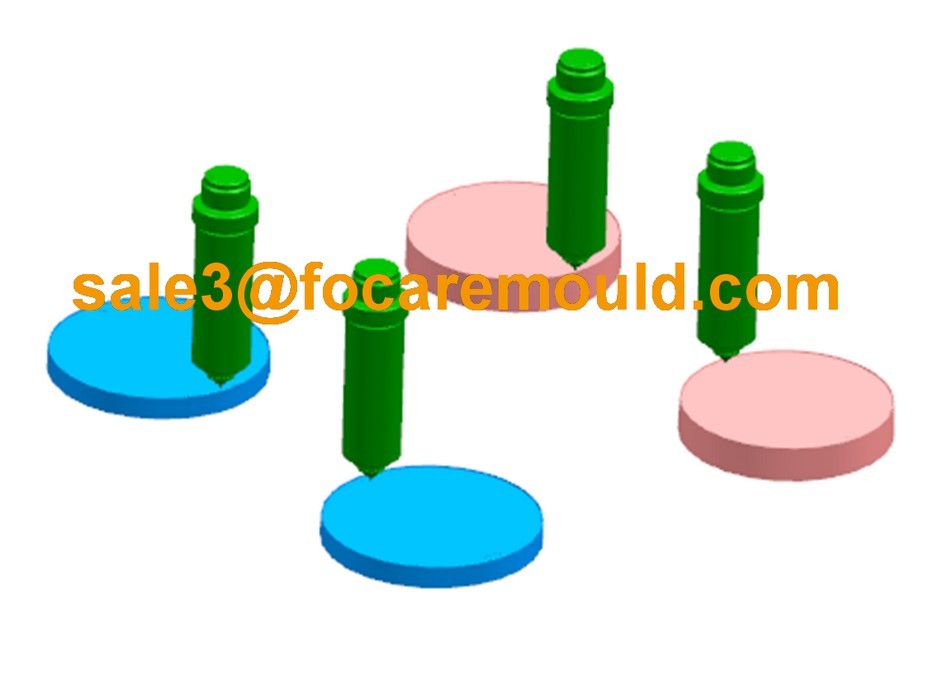
Petri dish components can contain thin wall sections and broad circular surfaces. Gate position, runner layout, venting, and filling direction should therefore be evaluated against the selected resin and the complete product geometry. The objective is to fill the molded component as evenly as the approved design and processing window allow.
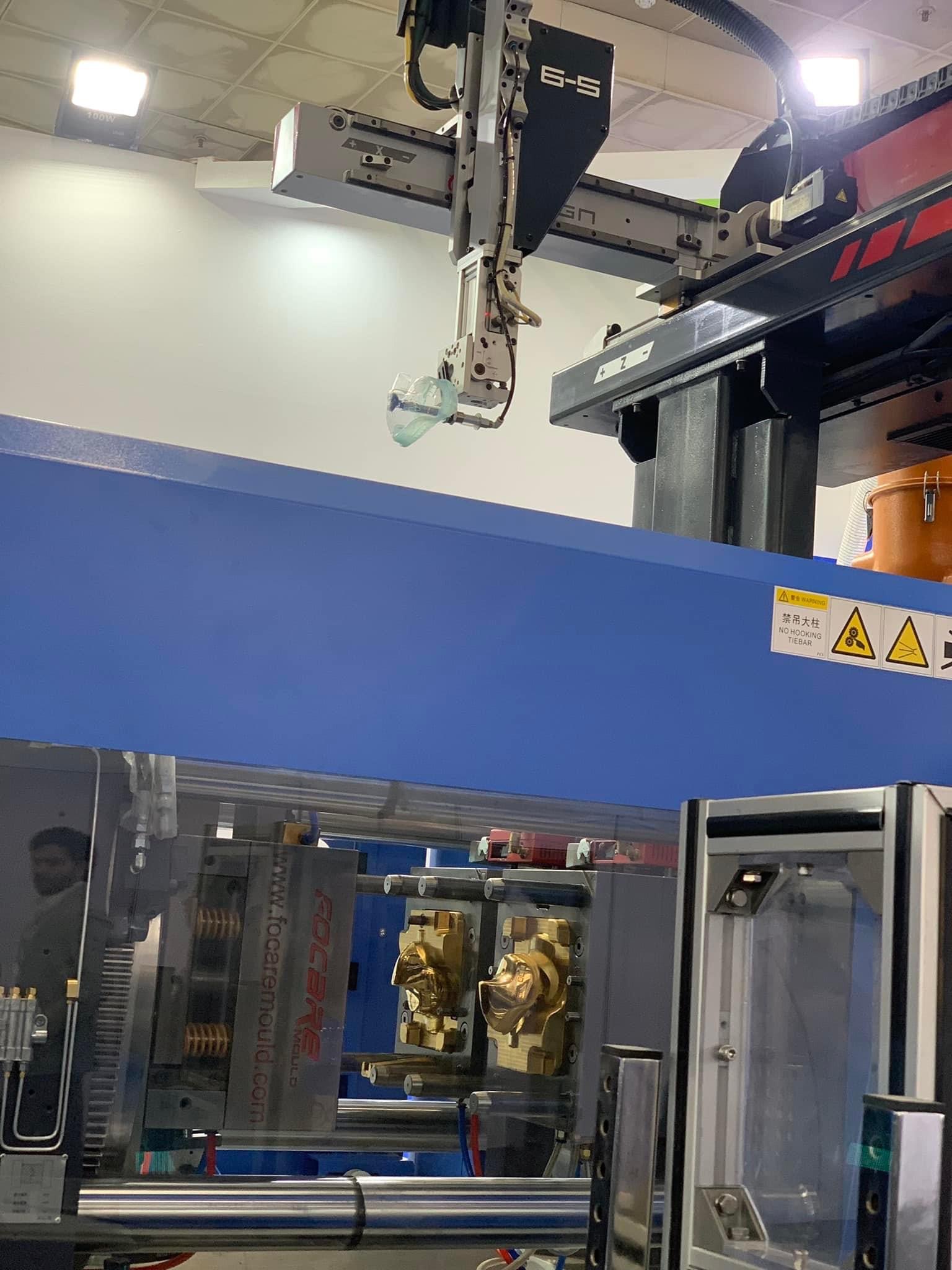
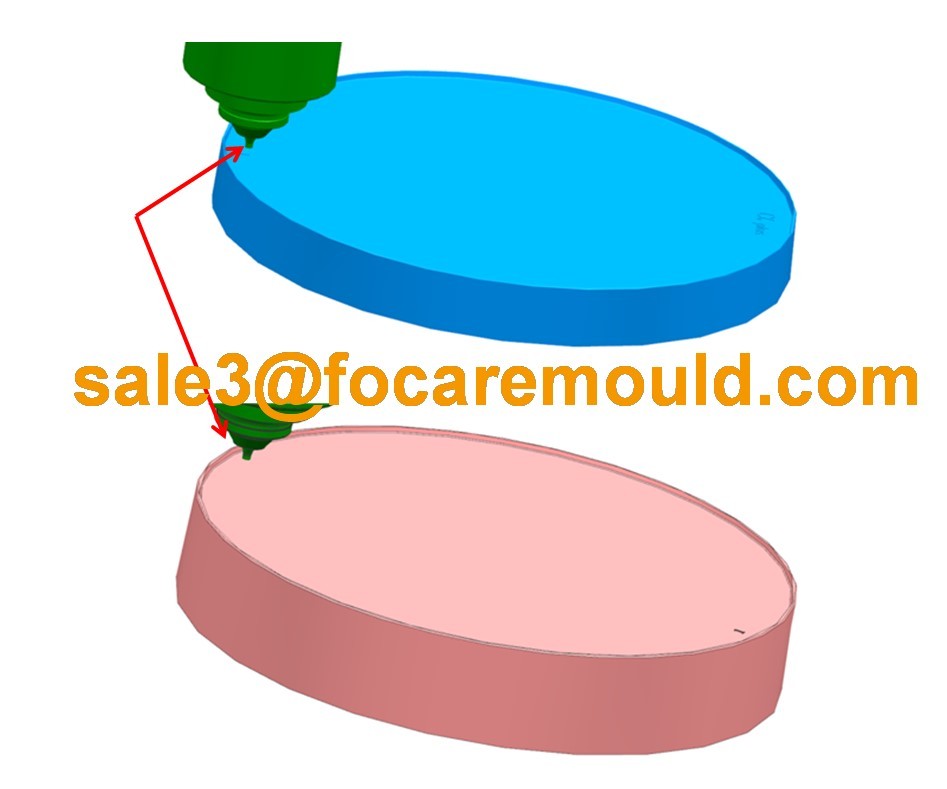
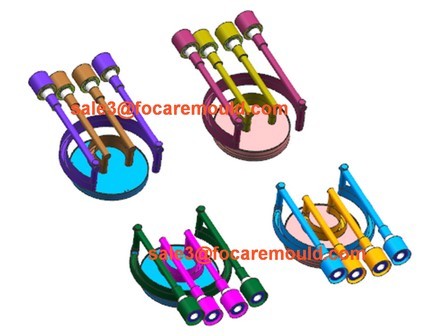
The original project information records a valve-gate hot-runner approach for controlling the injection point on the Petri dish. This is a project-specific design reference, not a fixed runner specification for every thin-wall Petri dish mold. A new project requires separate evaluation of the gate type, location, quantity, and machine interface.
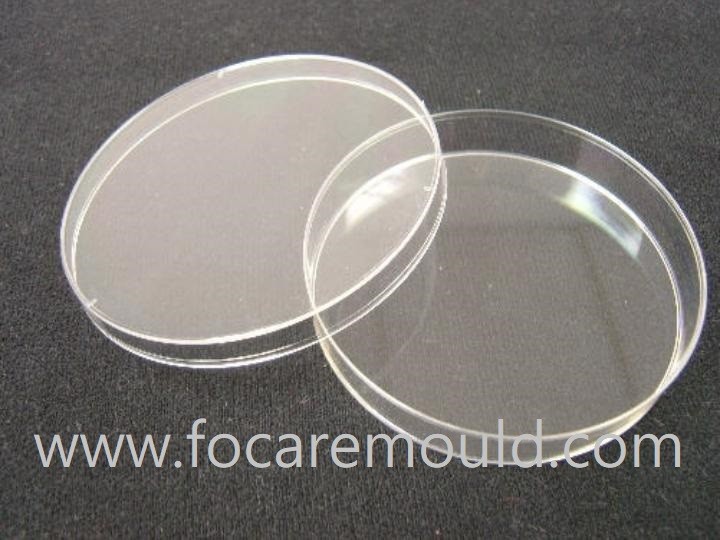
Visible Surface and Injection-Point Control
The visible surface of the molded dish and cover may require controlled machining and polishing according to the customer’s appearance standard. Gate marks, flow marks, weld lines, parting lines, and ejection locations should be reviewed before the mold structure is approved.
The required level of transparency, surface finish, or optical appearance cannot be assumed from the product name. These requirements depend on the specified resin, molding process, product drawing, and approved samples.
Cooling Layout and Dimensional Stability
Cooling layout should be reviewed around the circular base, side wall, rim, and cover geometry. Uneven mold temperature can contribute to dimensional variation, warpage, or inconsistent release, so cooling channels must be coordinated with the core, cavity, inserts, and runner arrangement.
The original page references circulating cooling water through the mold. For a new project, the specific channel arrangement and cooling conditions must be developed from the mold structure and processing requirements. No fixed cycle-time or production-cost reduction is promised without trial data.
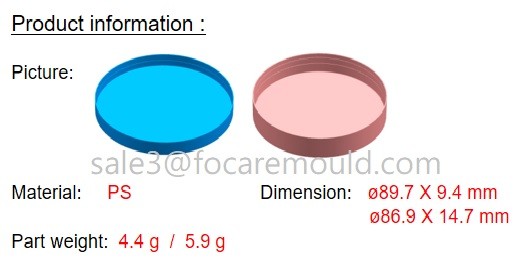
Ejection and Part Handling
The ejection method should support release of the shallow thin-wall component without damaging the rim or visible surface. Draft, shrinkage, release direction, and the available contact areas should be evaluated for both the dish and cover.
If the production line includes automated part removal, stacking, inspection, or downstream handling, the robot and handling interfaces should be provided during mold development so the mold and equipment can be reviewed together.
Material and Validation Information
The original product information identifies polystyrene as one possible plastic for a Petri dish. The exact resin grade for a new project must be supplied by the customer and reviewed with the intended molding, appearance, handling, and validation requirements.
Customers remain responsible for confirming the finished product’s intended use, material compliance, cleanliness, sterilization compatibility, packaging, labeling, and regulatory acceptance. Mold manufacturing alone does not establish those approvals.
Information Needed for a Petri Dish Mold
For evaluation, please provide:
• Complete dish and cover drawings or 3D data
• Confirmed resin grade and product requirements
• Appearance, dimensional, and handling standards
• Injection molding machine and automation information
• Mold-trial and sample-acceptance requirements
Work with a China Mold Maker
This page focuses on injection tooling for plastic Petri dish bases and covers. Focare Mould also supports buyers seeking a Plastic Injection Mold Maker China partner and an experienced China Mold Maker for customized laboratory and medical plastic-part molds.