
Why Are Injection Molds So Expensive? Injection Mold Cost Explained
Injection molding is one of the most widely used manufacturing processes for producing plastic parts. From household products and food containers to automotive components, medical parts and industrial products, injection molding makes it possible to produce plastic parts efficiently and consistently in large quantities.
But how does injection molding actually work, and what role does the injection mold play in the process? This guide explains the basic principles of injection molding, mold structure and the main steps required to develop a plastic injection mold.
What is injection molding ?
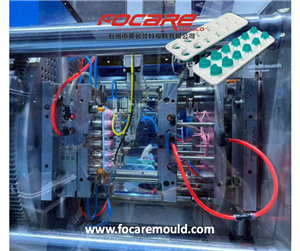
Injection molding is a manufacturing process used to produce plastic parts by injecting molten plastic material into a specially designed mold.
Plastic pellets are first fed into the injection molding machine, where they are heated and melted. The molten plastic is then injected under pressure into the mold cavity.
After the plastic fills the cavity, it is cooled until it becomes solid. The mold then opens, and the finished plastic part is removed through the ejection system.
This process can be repeated continuously, making injection molding suitable for mass production of plastic products with consistent dimensions and appearance.
Injection molding is widely used for household products, kitchenware, packaging, automotive components, medical products, industrial parts and many other plastic applications.

What Is an Injection Mold?
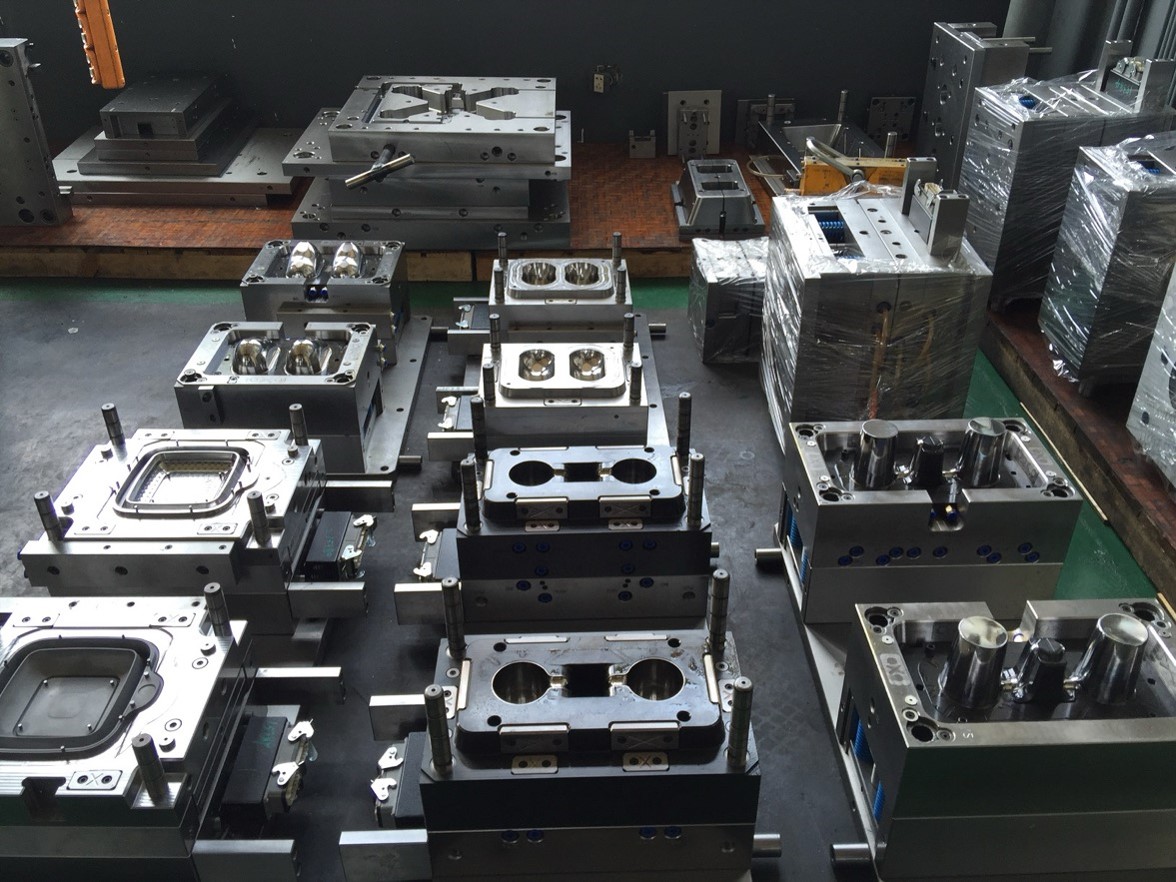
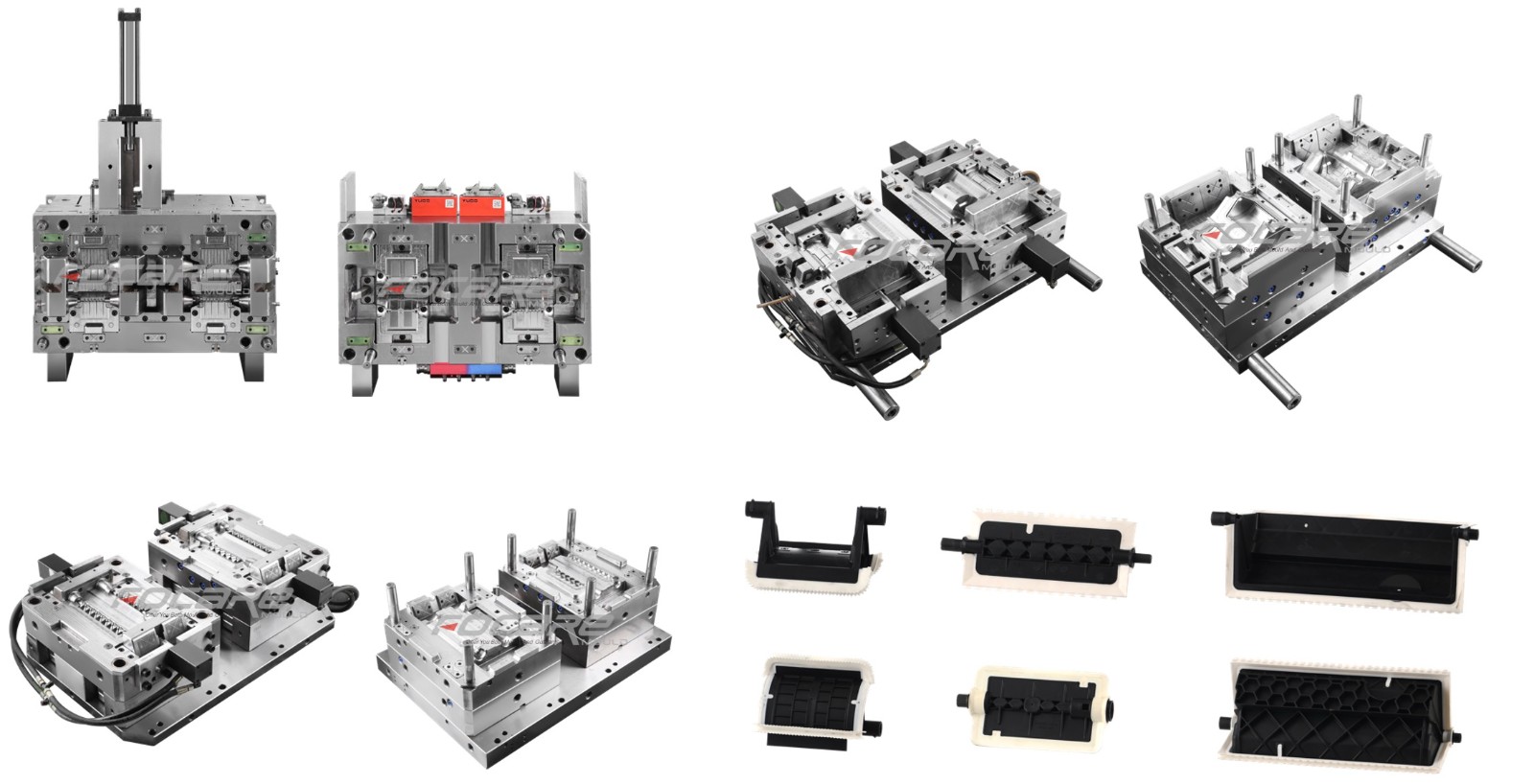
An injection mold is a precision tool used to form molten plastic into the required product shape.
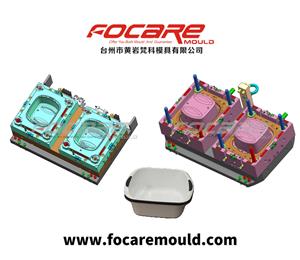
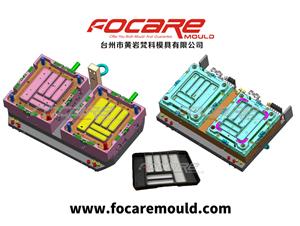
A typical injection mold consists of two main sides: the cavity side and the core side. When the mold closes, the cavity and core form the space that defines the shape of the plastic part.
Molten plastic enters the mold through the gating system and fills the cavity. Cooling channels inside the mold remove heat from the plastic until the part becomes solid enough for ejection.
After cooling, the mold opens and the ejection system pushes the finished part out of the mold.
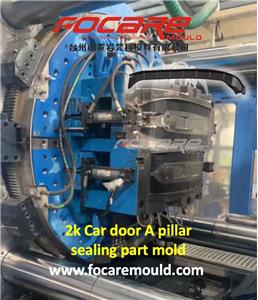
Depending on the product design, an injection mold may also include sliders, lifters, inserts, hot runner systems, hydraulic components and other mechanisms.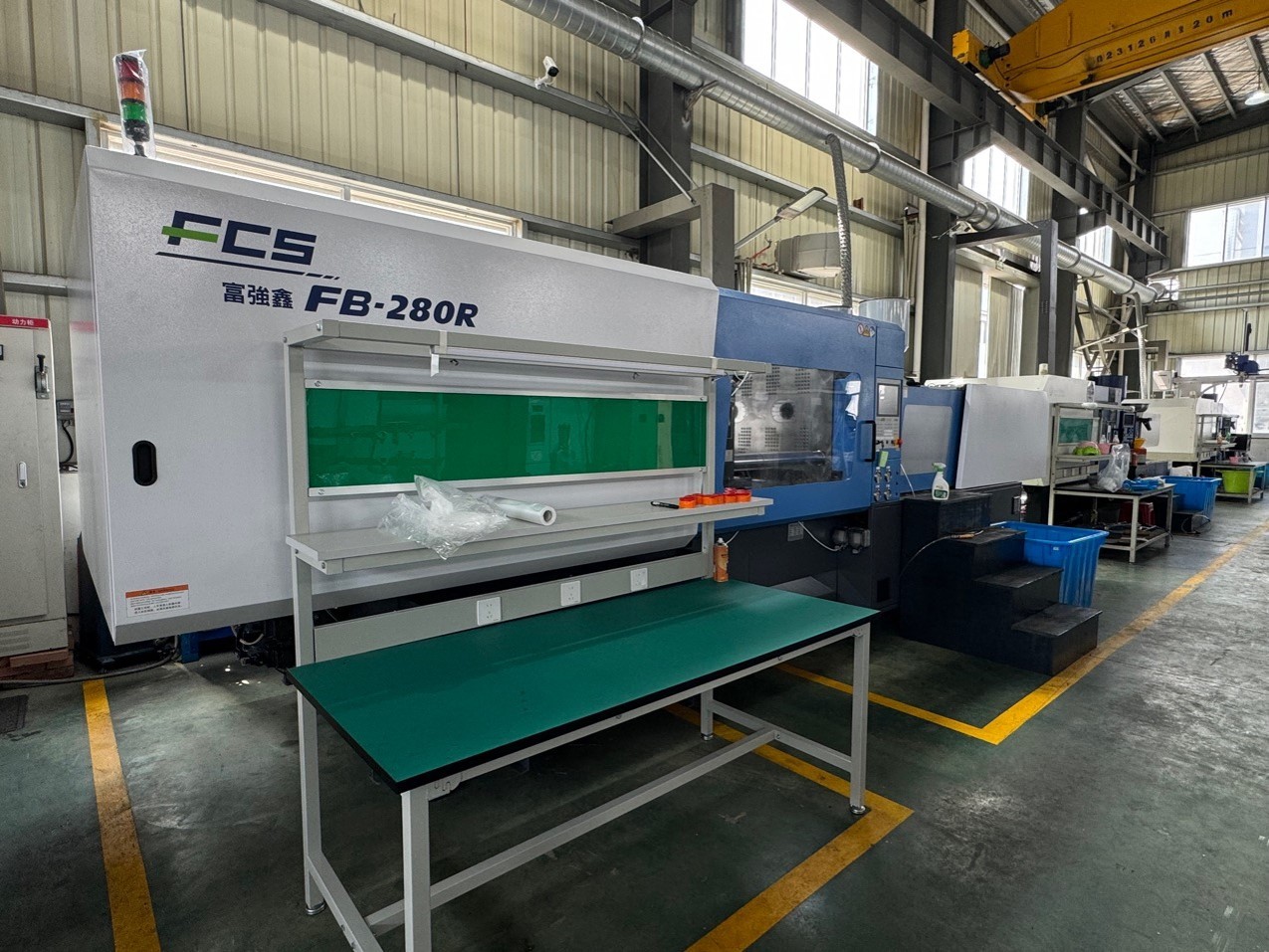
How Does the Injection Molding Process Work?
The injection molding cycle generally includes the following steps:
1. Mold Closing
The injection molding machine closes the mold and applies sufficient clamping force.
2. Plastic Injection
Plastic material is heated and injected into the mold cavity under pressure.
3. Packing and Holding
Pressure is maintained for a short period to compensate for material shrinkage as the plastic begins to cool.
4. Cooling
Cooling channels inside the mold remove heat until the plastic part becomes sufficiently solid.
5. Mold Opening
The mold opens after the required cooling time.
6. Part Ejection
The ejection system removes the finished plastic part from the mold.
The mold then closes again and the next molding cycle begins.
Main Systems of an Injection Mold
Although mold structures vary depending on the plastic product, most injection molds include several important systems:
Cavity and Core: Form the main shape and features of the plastic product.
Gating System: Guides molten plastic from the injection molding machine into the mold cavity.
Cooling System: Controls mold temperature and removes heat from the molded part.
Ejection System: Removes the finished plastic part after cooling.
Guiding System: Maintains accurate alignment between the moving and fixed sides of the mold.
Slider and Lifter Mechanisms: Used when the product contains undercuts or features that cannot be released through normal mold opening.
Hot Runner System: Can be used to deliver molten plastic directly to the cavity while reducing runner waste.
Need Help Developing a Plastic Injection Mold?
Focare Mould provides custom injection mold design and manufacturing for household products, kitchenware, packaging, plastic crates, automotive components, industrial parts and two color products.
If you are developing a new plastic product, send us your 2D or 3D drawings, plastic material, expected production quantity and injection molding machine specifications.
Our engineering team can review your project and provide a suitable mold solution and quotation.
