- Home
- >
- Products
- >
- Two Color & Multi-Color Mold
- >
- PP + TPE Pet Slow Feeder Bowl Mold | Focare



PP + TPE Pet Slow Feeder Bowl Mold | Focare
Brand :Focare Mould
Product origin :China
Delivery time :60 working days after confirming the design
Supply capacity :500 sets of molds per year
Focare Mould develops PP + TPE pet slow feeder bowl molds with project-specific review of feeding patterns, material interfaces, filling, venting, and ejection.
PP + TPE Pet Slow Feeder Bowl Mold
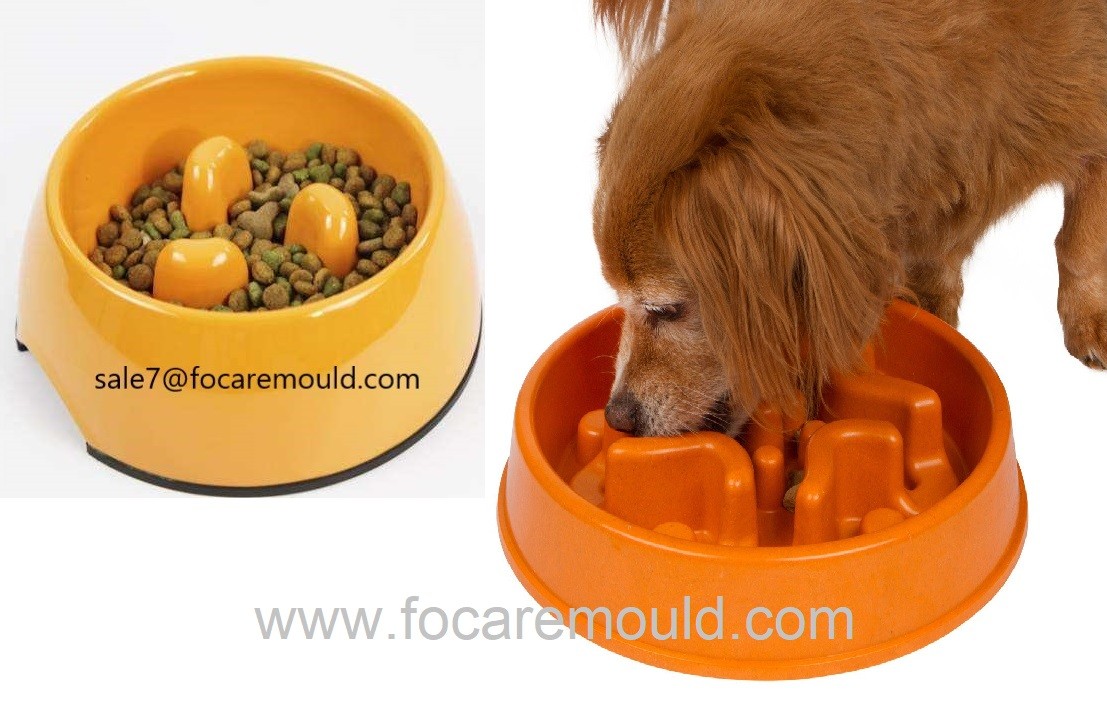
A pet slow feeder bowl combines a functional feeding surface with a stable base. The molded obstacles inside the bowl are designed to make food less accessible than in a conventional open bowl, while the bottom section helps the product remain steady during use. This existing two-color product design uses a PP body with a TPE bottom.
For the mold project, the feeding pattern, wall transitions, material combination and release direction must be reviewed as one system. Focare Mould develops the two-color pet slow feeder bowl mold around the customer's approved product geometry and the intended molding process.
Product Design and Mold Focus
The raised shapes inside a slow feeder bowl create a more complex molding surface than a standard pet bowl. Their height, spacing and draft influence filling, cooling and part release. Tight gaps may also require careful attention during mold design so that the features can be formed clearly and the finished bowl can be cleaned conveniently.
The PP body provides the main shape of the bowl, while the TPE section forms the non-slip bottom. The interface between the two materials needs a suitable product design and stable positioning during molding. Final material grades and the two-color production route must be confirmed from the customer's product requirements and injection machine information.
Key Review Points for a Two-Color Pet Bowl Mold
• Feeding-obstacle geometry, spacing and draft direction
• PP bowl body and TPE non-slip bottom interface
• Material flow around raised and recessed features
• Venting review at potential end-of-fill areas
• Ejection layout for the bowl and internal pattern
• Coordination with the customer's two-color molding equipment
PP Body and TPE Non-Slip Bottom
The two material zones serve different purposes in the finished product. The rigid PP section forms the bowl and feeding obstacles. The TPE section adds a softer contact area at the bottom. The connection boundary must be defined clearly in the product data so that the mold structure can support repeatable positioning and a consistent appearance.
Material compatibility should be checked using the exact PP and TPE grades selected for production. Focare Mould does not assume that every PP and TPE combination will bond in the same way. Customer material information and trial results are used to evaluate the interface and make project-specific adjustments.
Filling, Venting and Surface Details
A slow feeder pattern creates multiple flow paths inside the bowl. Gate location and runner planning should help the plastic reach the detailed areas without placing unnecessary visual marks on important surfaces. Venting also requires attention around the ends of flow and between closely spaced obstacles, where air may otherwise be difficult to release.
The visible surfaces of a pet bowl are part of the customer's product identity. Texture, gloss, color separation and acceptable gate or ejector marks should therefore be defined before final mold design. Mold trials provide the practical basis for checking the molded appearance and identifying adjustments.
Part Release and Production Review
The inner obstacles can influence how the bowl releases from the mold. Draft, feature depth and ejection support need to be considered early so that the molded part can be removed without damaging the feeding pattern or deforming the bowl. The ejection concept is confirmed according to the final three-dimensional product design.
Stacking, cleaning and product handling are also useful items for the customer to verify during sample review. These product requirements can affect the rim, base and obstacle geometry, so they should be communicated before mold manufacture rather than added after the structure is finalized.
Information for a Custom Slow Feeder Bowl Mold
For a project evaluation, please provide the 3D product drawing or sample, selected PP and TPE grades, required color separation, surface requirements, expected molding machine and any preferred two-color process. The required production output can also be discussed when confirming the mold concept.
As a plastic injection mold maker in China, Focare Mould can review the feeding pattern, two-material interface, filling concept, venting and ejection arrangement for a custom pet slow feeder bowl mold. Mold steel, cavity arrangement, cycle expectations and delivery schedule are confirmed only after the project information has been reviewed.
Send Focare Mould your pet bowl design for a project-specific mold review and quotation.